
Introduction to Diversity, Equity, Inclusion and Belonging

Introduction to Diversity, Equity, Inclusion and Belonging

Ann Palmer

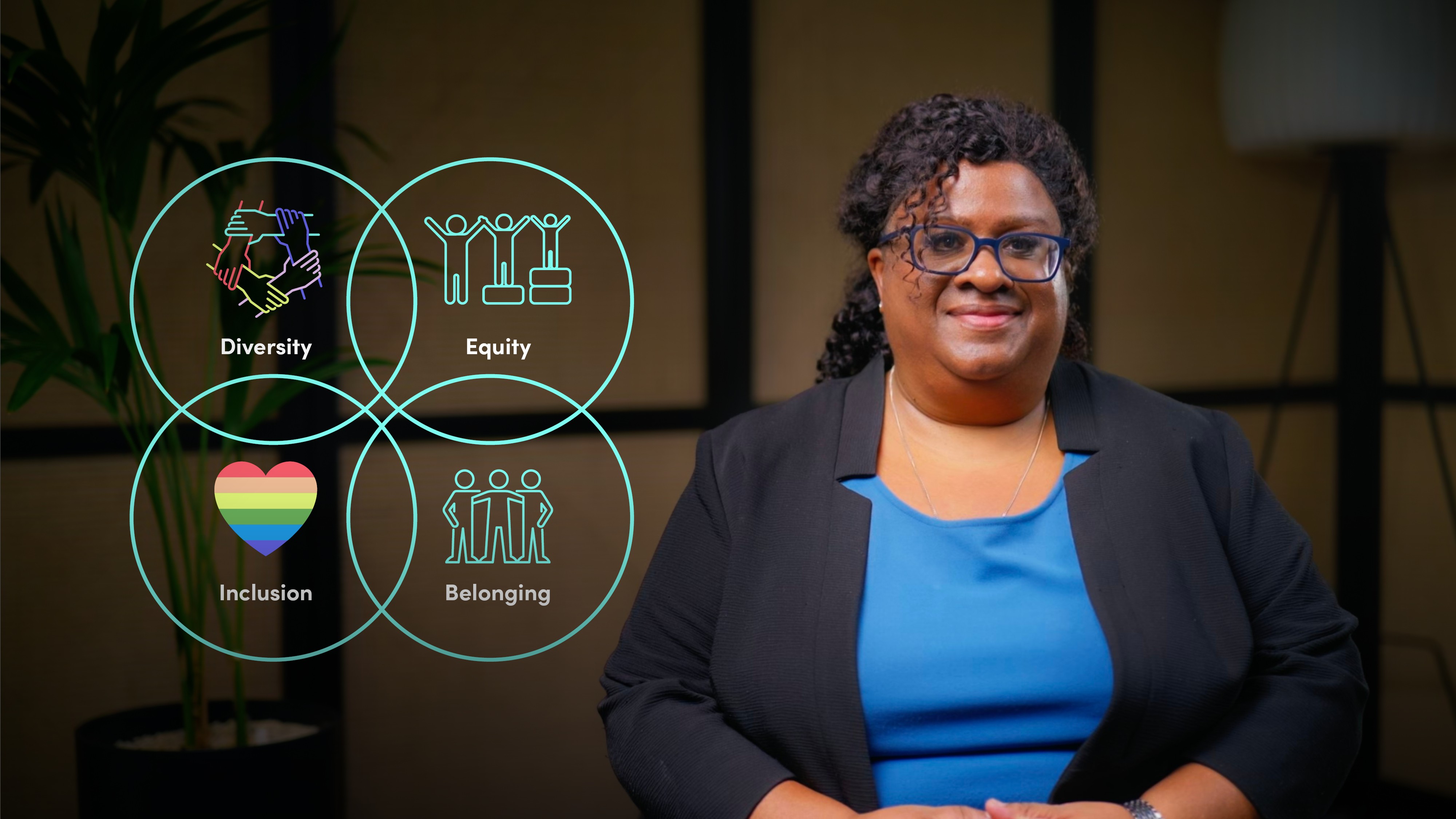
In this video, Ann introduces the concepts of Diversity, Equity, Inclusion, and Belonging (DEIB). She also explores what each element of DEIB means, why belonging is crucial for workplace relations, and how DEIB positively impacts organisational success.

In this video, Ann introduces the concepts of Diversity, Equity, Inclusion, and Belonging (DEIB). She also explores what each element of DEIB means, why belonging is crucial for workplace relations, and how DEIB positively impacts organisational success.

Speak to an expert

Speak to an expert today to access this and all of the content on our platform.

Introduction to Diversity, Equity, Inclusion and Belonging

18 mins 13 secs

Key learning objectives:

  • Understand the core components of DEIB (Diversity, Equity, Inclusion, and Belonging)

  • Identify the significance of belonging in workplace relationships and organisational outcomes

  • Outline how DEIB principles relate to practical workplace scenarios

  • Describe key strategies for building cultural awareness within an organisation

  • Understand the difference between DEIB as a human value versus a characteristic

Overview:

Recognising and valuing cultural differences is key to building an inclusive and effective workplace. Diversity, Equity, Inclusion, and Belonging (DEIB) help prevent miscommunication, improve collaboration, and boost performance. Belonging is highlighted as the foundation of workplace relationships, supporting wellbeing and retention. Cultural awareness can be strengthened through inclusive communication, diverse leadership, and thoughtful policies. DEIB is not just a workplace approach, but a reflection of shared human values like fairness, respect, and the dignity of every individual.

Speak to an expert

Speak to an expert today to access this and all of the content on our platform.

Summary
What are the core components of DEIB (Diversity, Equity, Inclusion, and Belonging)?

DEIB stands for Diversity, Equity, Inclusion, and Belonging. 
  • Diversity refers to the presence of differences within a given setting, encompassing various characteristics such as race, gender, age, sexual orientation, and cultural background.
  • Equity involves ensuring fair treatment, opportunities, and advancement while striving to identify and eliminate barriers that have historically led to unequal outcomes.
  • Inclusion focuses on creating environments where everyone feels respected, valued, and empowered to fully participate, contributing to a sense of connectedness and acceptance within the group or organisation.
  • Belonging is crucial as it fosters an environment where everyone, regardless of their identity, feels connected, valued, and included within their work environment. 

What is the significance of belonging in workplace relationships and organisational outcomes?

Belonging is central to any organisation and vital for workplace relations. Studies have shown that organisations focusing on a culture of belonging can see increased performance, reduced turnover risk, and decreased employee sick days. A strong sense of belonging enhances well-being, boosts productivity, improves collaboration, and increases retention. Employees who feel they belong are more motivated, engaged, and likely to contribute their best. This is especially important for younger generations who prioritise inclusive environments and diverse career paths.

How do DEIB principles relate to practical workplace scenarios?

DEIB principles are essential for fostering a positive and productive work environment. For instance, the script highlights a situation where a multinational team faced miscommunication due to cultural differences in communication styles. By holding a cultural awareness session, they learned to adjust their approaches, leading to improved collaboration and project success. DEIB relates to the workplace by promoting innovation, positive work environments, and stronger teams. When everyone feels valued and respected, they are more likely to contribute and succeed.

What are key strategies for building cultural awareness within an organisation?

To build cultural awareness, organisations can:
  • Provide cultural awareness and sensitivity training to educate employees about diverse cultural norms and communication styles
  • Adopt inclusive communication practices, such as avoiding slang and offering multilingual support
  • Build diverse leadership teams that reflect a variety of cultural perspectives, enhancing decision-making
  • Celebrate cultural events and traditions to show appreciation for the diversity within the company

What is the distinction between DEIB as a human value versus a characteristic?

DEIB is a framework rooted in human values, emphasising fairness, respect, and the dignity of every individual. While DEIB can manifest as organisational practices or characteristics of workplace culture, at its core, it represents fundamental human values that promote inclusivity and belonging. DEIB reflects a commitment to treating people with fairness, respect, and empathy, ensuring everyone has the opportunity to contribute and thrive. While diversity is a characteristic, the concepts of equity, inclusion, and belonging are values that shape how those differences are acknowledged and integrated. DEIB, in essence, is a moral and ethical framework driving behaviour and decision-making.

Speak to an expert

Speak to an expert today to access this and all of the content on our platform.

Ann Palmer

Ann Palmer

Ann Palmer is a renowned educator and entrepreneur with over 35 years of experience. She has partnered with schools, colleges, and universities globally and founded the RACE Charter Mark, an award for effective race equality strategies in education. She has also supported other sectors and organisations, such as the Association for BME Engineers UK. Ann is a facilitator, public speaker, and highly acclaimed in Diversity and Inclusion (DEI) and is a qualified Executive Coach. As an entrepreneur, she holds roles in several businesses, including being an Executive Director of Race Excellence, a consulting business offering personalised diversity training and accreditation. She is also a member of the Chartered College of Teaching's Ethics Committee, a Charity Trustee, and a Business Advisor for start-up businesses. She is a published author and was awarded the Freedom of the City of London in 2010.

There are no available Videos from "Ann Palmer"